


Content block block-1647914753-1791822662
Myth: Food safety isn't a problem. I've been cooking for years, and nobody has ever gotten sick from my food..
Fact: Even though the U.S. has one of the safest food supplies in the world, the CDC estimates that 48 million people a year get sick from something they ate -- 128,000 of them end up in the hospital, and 3,000 of those people die. Often, people who are sick with a foodborne illness don't even realize it.
Myth: It was just a 24-hour flu bug or the stomach flu. I've never had a foodborne illness.
Fact: Foodborne illness is frequently mistaken for the stomach flu. Many symptoms are similar. Depending on the bacteria or virus causing the illness, symptoms can include one or more of the following: nausea, abdominal pain, vomiting, diarrhea, gastroenteritis, fever, headache, or fatigue. Always consult your doctor for diagnoses and treatment options.
Myth: I just ate at a restaurant 45 minutes ago and I'm already sick. I know that restaurant gave me a foodborne illness!
Fact: People often think that when they get sick it is due to the most recent food that they ate. In fact, it is rarely caused by the last food you have eaten. Depending on which bacteria you have ingested, the onset time for a foodborne infection can range from 6 - 48 hours. Some bacteria take as long as two weeks to show symptoms. It is often very difficult to tell specifically which food made you sick. In addition, stomach flu symptoms are very similar to foodborne illnesses. It can take 1-4 days from exposure to the start of stomach flu symptoms.
Myth: Foodborne illness is no big deal. It's just temporary mild discomfort and I'll get over it soon.
Fact: Foodborne illness is rarely "mild discomfort." The average healthy adult may suffer through multiple symptoms such as vomiting, diarrhea, and fever, but will typically recover within a week. But some people are at an increased risk because their immune systems are not strong enough to fight off these infections. These folks are called vulnerable populations. They include children, the elderly, the immune-compromised, and pregnant women. Foodborne illness isn't just dangerous for them, it can be deadly.
Myth: Foodborne illness doesn't cost anybody anything, it just makes you a little uncomfortable that's all.
Fact: Foodborne illness costs the U.S. economy billions of dollars each year in lost productivity, hospitalization, long-term disability, and even death as these statistics reveal:
Myth: I don't need a thermometer; I can tell when my food is cooked by looking at it.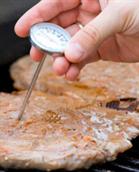
Fact: The only way to really know when a food is cooked and safe to eat is by taking its temperature. Minimum cooking temperatures are necessary to ensure that bacteria in raw meats and other foods are killed before we eat them. Appearances can often be misleading, and food can look done when it is not. Make sure your foods are cooked to these minimum temperatures to ensure their safety:
-
145°F - Raw shell eggs and single pieces of meat including beef, pork, veal, lamb, and fish
-
155°F - Ground meats such as ground beef or sausage and foods containing raw eggs
-
165°F - Raw poultry and stuffed foods such as stuffed fish or stuffed meats
Myth: I can't put hot food right into the refrigerator; it will spoil.
Fact: This is false. If you don't cool cooked foods quickly, you risk making them unsafe to eat. Cooling foods as quickly as possible minimizes how long food stays at unsafe temperatures – thus reducing how much bacteria are in the food. You can rapidly cool foods by placing them in shallow uncovered containers in the refrigerator, in an ice bath, or by adding ice as an ingredient.
 Myth: My kitchen is clean; I use a washcloth or sponge to wipe it down all the time.
Fact: Wiping down a kitchen does help keep it free of dirt and food residue, but wiping alone won’t kill the disease-causing bacteria that may be left behind on your counters and cutting boards. To reduce the number of pathogens to a safe level, use a sanitizing solution. A simple mixture of one tablespoon of bleach per one gallon of water will give you the right balance of bacteria-killing power and safety around the kitchen.
Myth: Cooking my food so that it's really hot will guarantee that it is safe.
Fact: Cooking foods to the proper temperature is a good start, but it's not always a guarantee that your food is safe. Some bacteria produce a toxin as they grow and multiply. This toxin builds up in the food. When this food is cooked, the bacteria are killed, but the toxin is still there. When the food is eaten, the toxin is what makes you sick, not the bacteria. The best way to prevent toxins from forming is to make sure that foods are properly refrigerated until they are ready to be cooked. Keeping foods cold dramatically slows the growth of bacteria.
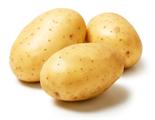 Myth: Mayonnaise is the dangerous ingredient in potato salad.
Fact: Mayonnaise always seems to get the blame for being the cause of foodborne illness outbreaks during a family picnic. But the mayonnaise you buy from the grocery store is prepared so that it won’t support bacterial growth. While the label says keep refrigerated, that is for quality and taste purposes. Warm, separated mayonnaise is not appealing. But only foods that say "Perishable, keep refrigerated" need to be kept cold to make sure that they're safe. Homemade mayonnaise always needs to be kept cold for safety reasons.
So, what is the culprit in the potato salad? All recipes are different, but they have one thing in common, cooked potatoes. Once potatoes have been cooked, they become potentially hazardous which means that bacteria can easily grow on them. Keep your potato salad, coleslaw, and other vegetable salads cold to keep them safe.
Myth: Eggs, especially hard-boiled eggs, don't need to be refrigerated.
Fact: A bacterium, Salmonella enteritidis, can live inside any eggs, and if those eggs are eaten raw or undercooked, the bacterium can cause illness. Inside the hen, Salmonella enteritidis contaminates the eggs before the shells are formed. Studies have indicated that as many as one in 10,000 eggs may be contaminated, but we can’t identify which eggs by how they look. Keep all eggs refrigerated until ready to eat. You can also increase the safety of eggs by hard-boiling and then air-cooling them.
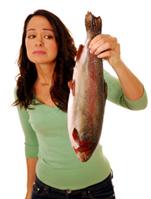 Myth: You can tell a food will make you sick by its smell, look, and taste.
Fact: You can't rely only on your senses to tell you when a food is no longer safe to eat. Disease-causing bacteria such as E. coli and Salmonella don't affect the way a food looks, smells, or tastes. That is why following good food safety principles is so important because there is no way to know you've made a food safety mistake until it is too late. And if a food does smell, look, or taste like it’s gone bad, spoilage organisms are telling you the food is no longer good.
 Myth: When a food label stays "use by," it is immediately bad the next day and will make you sick.
Fact: Different wording for dates means different things – many dates are for product quality and when they can be sold.
-
A "Sell-By" date tells the store how long to display the product for sale. You should buy the product before the date expires.
-
A "Best if Used By (or Before)" date is recommended for the best flavor or quality. It is not a purchase or safety date. The product should still be safe for a bit longer if handled properly and kept at 40 °F or below.
-
A "Use-By" date is the last date recommended for the use of the product while at peak quality. The date has been determined by the manufacturer of the product.
Many foods go bad within several days after being opened – no matter what their “use by” dates are.
Learn more at: https://www.fsis.usda.gov/food-safety/safe-food-handling-and-preparation/food-safety-basics/food-product-dating
Myth: Rinsing meats like chicken and beef will remove the bacteria.
Fact: Don’t Do It.
Rinsing raw meats with water is ineffective at removing bacteria. In fact, the act of rinsing off the meats causes a cross-contamination hazard by splashing around the bacteria along with juices from the meat on your sink, countertops, nearby dishware, and food.
 Myth: I don't need to wash my hands as long as I use sanitizing gel.
Fact: Hand sanitizing gel has been shown to be less effective than traditional hand washing. Stick to using soap and warm water with scrubbing action for 10-15 seconds. Washing your hands with soap and water should always be the first option. However, if you find yourself in a situation with no soap or running water, a sanitizing gel is better than nothing.
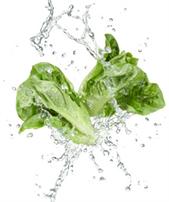 Myth: I don't need to wash produce because the store sprays it with a mister while on display.
Fact: All produce should be thoroughly washed before eating. (Supermarket misters simply keep produce from wilting.) Wash fruits and vegetables under running water just before eating, cutting, or cooking. Scrub firm produce, such as melons and cucumbers, with a clean produce brush. Dry produce with a clean cloth towel or paper towel to further reduce bacteria that may be present.
Washing fruits and vegetables with soap, detergent, or using commercial produce washes is not recommended. Many precut, bagged produce items like lettuce are pre-washed. If the package indicates that the contents have been pre-washed, you can use the produce without further washing.
Myth: If I have symptoms like diarrhea and vomiting, I can still safely prepare food if I wash my hands.
Fact: Washing hands and wearing gloves may help prevent foodborne illness in a normal situation, when someone is sick, the safest thing to do is to keep them out of the kitchen.
Anyone preparing meals needs to be in good health while preparing food. Someone with an acute gastrointestinal (GI) illness, or showing symptoms such as diarrhea, or vomiting in conjunction with diarrhea, could potentially contaminate food and transfer the illness to others. A person working with large batches of food can spread their illness to numerous people, causing an outbreak.
Myth: Microwaving food in plastic containers can cause cancer.
Fact: It's within the realm of possibility that substances used during the manufacturing process of plastics could leak into food during the heating process, but research isn't conclusive about the potential danger (if any) posed by such a phenomenon. The FDA already imposes stringent regulations on plastic containers meant for microwaving as a preventative measure. If you are cooking with plastics, follow the directions and only use plastics that are specifically meant for cooking. If using plastic containers in microwaves, as millions of people have done for decades, posed a significant risk for cancer, you'd be hearing about it.
Myth: Aspartame and other artificial sweeteners can cause cancer.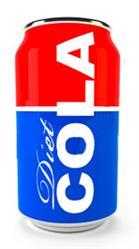
Fact: After reviewing scientific studies, the FDA determined in 1981 that aspartame was safe for use in foods. In 1987, the General Accounting Office investigated the process surrounding the FDA's approval of aspartame and confirmed that the agency had acted properly. However, the FDA has continued to review complaints alleging adverse reactions to products containing aspartame. To date, the FDA has not determined any consistent pattern of symptoms that can be attributed to the use of aspartame, nor is the agency aware of any recent studies that clearly show safety problems.
Carefully controlled clinical studies show that aspartame is not an allergen. However, certain people with the genetic disease phenylketonuria (PKU), and pregnant women with hyperphenylalanine (high levels of phenylalanine in blood) have a problem with aspartame because they do not effectively metabolize the amino acid phenylalanine. Therefore, the FDA has ruled that all products containing aspartame must include a warning to phenylketonurics that the sweetener contains phenylalanine.
Myth: Food prepared at home is much safer than restaurant food. If I get a foodborne illness, it is probably because I ate something bad at a restaurant.
Fact: In fact, the opposite is most often true. Experts say that poor home food-handling practices cause more foodborne illnesses than professionally prepared food. Most professional food handlers have been trained in safe techniques and are careful about how the food is prepared, cooked, and stored. At home, however, most people think they use safe practices. In fact, you may have gotten sick many times and thought you had the flu. Educate yourself on safe food preparation; be willing to change your attitudes about handling food in your kitchen, and your family and your stomach will thank you.
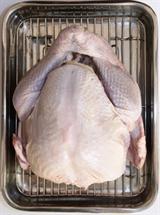 Myth: It is okay to let turkey thaw out on the kitchen counter. Everyone does it that way.
Fact: Chicken and poultry are often contaminated with harmful bacteria such as Salmonella and Campylobacter. During processing, a single contaminated bird can contaminate the entire processing line, and possibly all the birds that come into contact with the contaminated line. Bacteria can also easily survive on raw chicken and poultry. Thawing raw poultry at room temperature can allow these bacteria to grow and reproduce to dangerous numbers. It is best to thaw poultry in the refrigerator since bacterial growth is slowed at refrigerator temperatures. Thawing a large turkey in the refrigerator might take 2 or 3 days, so be sure to plan ahead.
Links in this section relate to Body