

In honor of recovery month, I would like to celebrate the millions of Americans recovering from substance use disorders as well as their loved ones supporting them along the way.
I am grateful to work with the OC Health Care Agency as a double board certified in Psychiatry and Family Medicine physician, treating patients in the Substance Use Disorders program as well as Adult Mental Health Services. Every day I see how substance use disorders affect my patients as well as their whole families.
Watching a loved one struggle with a substance use disorder can cause immense pain, anger, and grief which leave families feeling powerless. Family members can provide support on the journey, but ultimately the person suffering with a substance use disorder must be willing to accept help. If you love someone with a substance use disorder, the following tips might be helpful.
- Care for yourself – Supporting a loved one struggling with drug or alcohol use can be physically and emotionally draining. It is important that you prioritize sleep, nutrition, exercise and social connection.
- You are not alone – Often families try to keep substance use disorders a secret, due to shame, guilt and stigma. It is important to know you are not alone. Millions of families have been touched by addiction. Some find community in mutual support groups like Al-Anon, Nar-Anon and Alateen. Meeting Directory | Al-Anon Family Groups | Information Service of Orange County | Incorporated 1975
- Be a role model – Substance use disorders often run in families. If you yourself have experienced problems with drug or alcohol use, engaging in your own treatment plan is one of the best things you can do to support others in your life. Many families chose to keep drugs and alcohol completely out of the house.
- Understand the signs of a medical emergency – Substance use can be deadly. If you are worried about your loved one’s health, you can support them in accessing medical care. Do not hesitate to call 911 if your loved one is unconscious, having trouble breathing, or severely confused. Families can be prepared for early intervention in opioid overdose by learning how to use naloxone – an easy to administer lifesaving medication that can reverse an opioid overdose. Get Naloxone – Fentanyl is Forever OC
- Set boundaries – There is no one-size-fits-all strategy for creating an environment of consistent consequences and accountability around substance use. Boundaries should be put in place to keep everyone safe. Although you love someone and have empathy for what they are going through, substance use is never an excuse for someone to be abusive. Crisis intervention is needed if your loved one’s behaviors become dangerous to themselves or others. OC/Links Crisis line (855) 625-4657.
- Highlight the positives and embrace opportunities for change – Many families touched by addiction, notice more bad days than good. If there is a moment of light, where your loved one expresses interest in change, it helps to know about treatment options. There are many ways that someone can start their recovery journey. You can support your loved one in calling OC/Links (855) 625-4657 to get more information.
- Understand their treatment plan – Once your loved one enters a recovery program it is helpful to know their plan so that you can best support their recovery. Treatment for substance use disorders can be different from person to person and may involve: medical withdrawal management, residential treatment, outpatient groups, individual therapy, and medications that help support their recovery. If your loved one allows, you may be able to connect with their treatment team to further understand the plan.
Supporting a loved one with a substance use disorder is a difficult journey affecting millions of families. While we unfortunately hear about more and more families losing loved ones to substance use disorders, I want to encourage that there is hope. As a doctor I have seen my patients recover from substance use disorders and rebuild their lives and relationships. I have been inspired by the spouses, parents, siblings and friends who act with love even when it means making hard choices. Substance use disorders are not destined to end in tragedy. Recovery is possible.
Resources
Family Support Groups
- Nar-Anon Family Groups: Find a 12-step program for family and friends of people with a substance use disorder.
- SMART Recovery Family & Friends: Meetings, podcasts, and blogs available for family members of people with a substance use disorder.
- Al-Anon: A mutual support program for people whose lives have been affected by someone else’s drinking.
- Alateen: A fellowship of young people whose lives have been affected by someone else’s drinking. Al-Anon Family Groups | Information Service of Orange County | Incorporated 1975
- Families Anonymous: A 12-step fellowship for relatives and friends concerned about the use of drugs or related behavioral problems.
- GRASP: A support organization for those who have lost a loved one to substance use or overdose.
Overdose prevention
Get Naloxone – Fentanyl is Forever OC
Connect to services
OC/Links (855)625-4657 OC Links: Behavioral Health Information, Referrals, Crisis Response And More | Orange County California - Health Care Agency
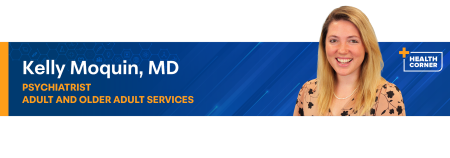
About Dr. Kelly Moquin
Dr. Kelly Moquin is initially from New York where she completed medical school at Albany Medical College. She became board certified in both Psychiatry and Family Medicine following combined residency training at UC Davis. After working as a clinical professor of family medicine at UC Irvine, she joined the OC Health Care Agency as a bilingual Psychiatrist in both departments of Substance Use Disorders and Adult Mental Health Services. Dr. Moquin is passionate about education, advocacy, team-based care and treating patients as whole people within their system of support.